Tutorial maker
A screen recording includes setup time, repeated clicks, and one important result.
Keep the steps that explain the result and remove waiting that adds no context.
how to use flixier for beginnersEditing workflow
A flixier video editor search often starts with a simple goal: turn rough footage into a video people can follow. Begin by identifying the strongest opening, the essential moments, and the ending you want viewers to remember.

Set expectations
An editing plan helps you make decisions, but it cannot replace good source material or a careful final review.
If the camera missed a key action, rearranging the clips will not reveal it. Check that your sources actually show each point your story needs.
WorkaroundUse a truthful text card, record a pickup shot, or revise the narration.
Heavy background noise or distorted speech may remain distracting even when the picture flows well. Listen to the entire video rather than judging it from silent previews.
WorkaroundChoose a clearer recording or explore the flixier audio enhancer page for audio-focused considerations.
A wide interview composition may lose its speaker when cropped for a narrow screen. Text near an edge can disappear too.
WorkaroundReview a separate preview for each intended destination.
A polished timeline does not prove that the delivered video has readable text, continuous sound, or the intended ending.
WorkaroundWatch the exported file from beginning to end before publishing.
Practical sequence
Keep decisions small and deliberate. A simple sequence makes it easier to spot gaps before spending time on polish.
Write one sentence describing what viewers should understand or feel by the end. Review your footage against that sentence, then set aside clips that do not support it.
Place the strongest opening first, follow it with the evidence or demonstration, and finish with a clear resolution. Trim pauses that slow comprehension, but leave enough time to understand each change.
Play the whole sequence at normal speed. Look for abrupt jumps, crowded text, uneven volume, and an ending that arrives too early; make one focused revision at a time.
Related guides
Some editing decisions need a more focused guide. Use these routes when sound, platform framing, or your first run-through becomes the main challenge.
Visual check
Use a before-and-after view as a review prompt, not proof that every clip has improved. Ask whether the revised sequence makes the subject easier to follow.
Illustrative comparison. Judge your own result by watching both versions with sound at normal speed.
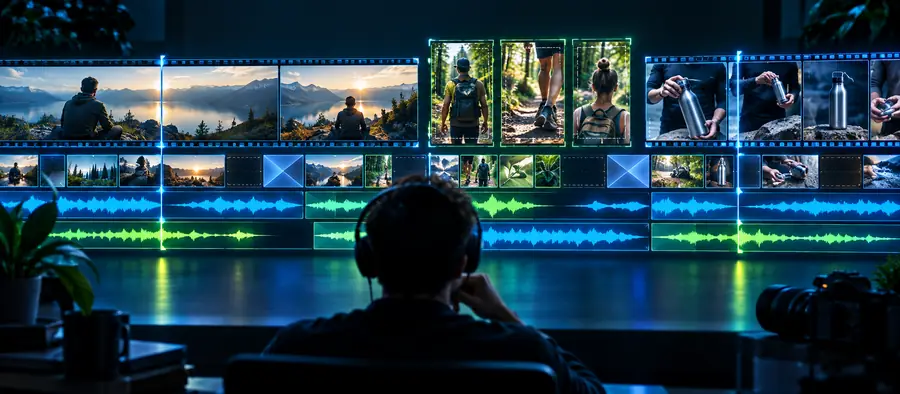
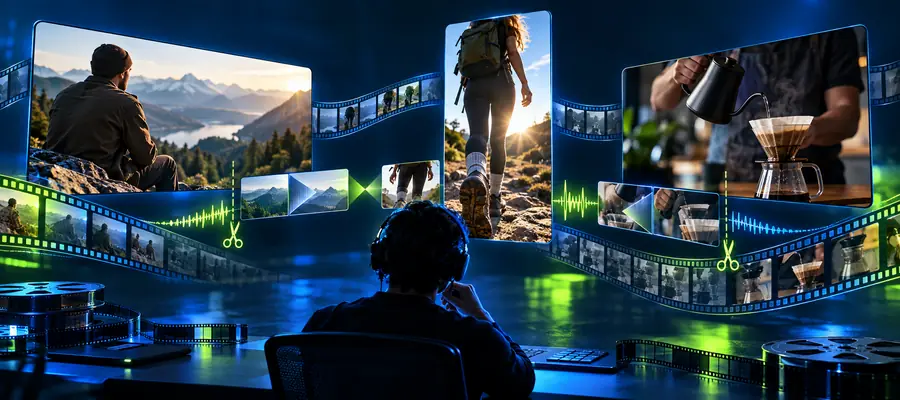
Editing scenarios
The same footage can support different stories. Decide what each audience needs to see, then edit toward that outcome rather than adding effects for their own sake.
A screen recording includes setup time, repeated clicks, and one important result.
Keep the steps that explain the result and remove waiting that adds no context.
how to use flixier for beginnersA longer recording takes too long to establish its subject.
Lead with the useful moment, then give viewers the context they need to stay oriented.
flixier for youtubeA vertical clip has a good reveal, but the opening spends too long setting it up.
Test an earlier reveal and check that the essential action remains visible in the frame.
flixier examples tiktokThe best answer is buried between pauses and noisy sections.
Preserve the speaker's meaning while checking whether sound quality supports the selected passage.
flixier audio enhancerStart with the audience, select the moments that serve them, and review the finished file rather than stopping at the timeline. If you are ready to explore a video creation destination, follow the link and check its current tools and terms before uploading footage.
Explore video creationDecide who will watch and what they should take away. Then review the available footage and note which clips clearly support that goal; this prevents polishing a sequence that is missing its main point.
Put the essential moments in a logical order and remove repetition that does not add information. Watch at normal speed to catch transitions that feel confusing or too abrupt.
First confirm that the story works with the footage you have. Then review picture and sound together, because a visually strong passage may still be difficult to understand if speech is unclear.
Watch the exported file all the way through with sound. Check the opening, text readability, framing, volume changes, and ending on the device or screen size your audience is likely to use.